Most action or war films don’t show candid or accurate stress and peril of fighting. It’d upset even offend viewers. 1998’s “Saving Private Ryan,” changed that.
In 1998 with the opening depiction of the D-Day landing on Omaha Beach in “Saving Private Ryan,” Spielberg was driven to portray the horror and stress of combat, above all, not make it a thrill ride. Those viewers who bother to look beyond the “rah rah” Hollywood portrayals in U.S. movie history which highlight bravery and patriotism will see the grisliness of combat absent. Spielberg, as with the reality of “Schindler’s List,” was driven to represent the brutal reality of D-Day in the opening to this film. That is antithesis to Hollywood’s mission…
To almost quote Ben Pierce, “Hawkeye,” from the circa 1970s show “M*A*S*H,” anyone who’s seen or been in combat doesn’t want to go back.
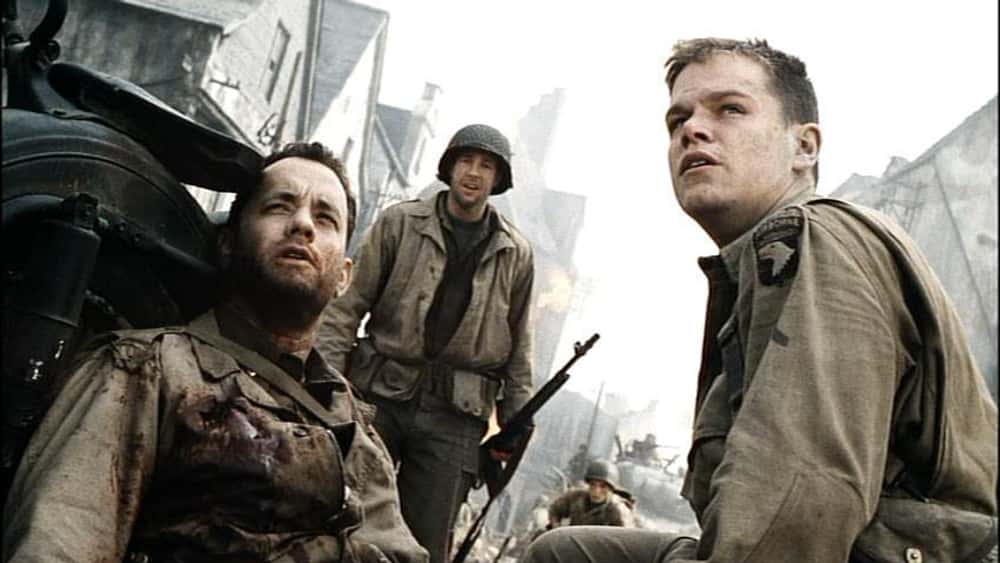
Combat is a vicious, stressful, bloody mess. As then-Chairman of the Joint Chiefs of Staff Gen. Mark Milley told an audience, in the most sanitized description, war is “organized violence”. “Saving Private Ryan,” as the title declares, is about saving Ryan. But the 25-mins opening commands lasting grim attention.
Being Spielberg, and all the facets of cultural relevance and the ways in which over five decades, he has intrenched himself as a pillar of its establishment, he can lunge forth with those artistic and business risks.
In his review, “Chicago Sun Times” film critic Roger Ebert observed, “In Steven Spielberg‘s “Saving Private Ryan,” thousands of terrified and seasick men, most of them new to combat, are thrown into the face of withering German fire. The landing on Omaha Beach was not about saving Pvt. Ryan.” But staying alive.
Hollywood sanitized portrayals of ground fighting in-part due to censor mid-20th-Century censor policies, the Hays Code, and the artistic constraints necessary to convince service branches to cooperate with a production. Movies like “Sands of Iwo Jima” and “The Green Berets” and the ilk portrayed war. But it palatable facets. Movie-goers want entertainment. However accurate you think you want a combat story to be, beside the sober reality that no one wants to face combat, seeing the grisly, stressful, industrial-scale tooth-and-nail reality is for a tiny audience!
According to Hertzberg of the New Yorker, “Spielberg’s rule, he said, was to make it seem as if him camera operators were trying not to get killed. They stay low to the ground, and you can feel him flinch when a shell bursts nearby.”
I believe the Spielberg’s choice made other contemporary combat films possible. In 2003’s ”Tears of the Sun,” 2001’s “Blackhawk Down” and 2002’s “We Were Soldiers” are exemplars. Ebert’s conversation with Mr. Spielberg, “Looking at the film, you can see how physically and mentally demanding it must have been, especially in the combat scenes as waves of landing craft hit the beaches and many soldiers are massacred by Nazi machineguns before they even get their feet wet. The haggard exhaustion on the faces of the actors in some shots cannot simply be acting.”
For the Omaha Beach sequence to last 25-minutes was a dare to the viewer! And it was toned down… According to Spielberg, “every survivor who saw ‘Schindler’s List’ said, ‘thank you for making this movie., but it was so much worse.’ A lot of veterans, too, are saying, ‘Thank you, but it was worse’.”
The “worse”ness is a candor and accuracy which, Hollywood cannot do; it’s a business meant to entertain. The “worse”ness is the domain of the documentary film. You can argue that the brutal jarring opening sequence of Private Ryan is a docudramatic telling.


Leave a Reply