In Hollywood career and celebrity terms Richard Roundtree, who was born July 9 1942, immortalized John Shaft, the titular character in “Shaft,” and affirmed a modern and sure Black manhood. He was born on July 9th.
I guess that I need to be grateful? I don’t know what is was as a Black man circa 1960s or 1970s. Then, depending on where you lived in the U.S., Blacks needed to implicitly or explicitly needed lower their heads before “superior” whites. As a profound and refreshing contrast, Richard Roundtree’s John Shaft didn’t seek approval, explain himself and wasn’t defined by white approval.
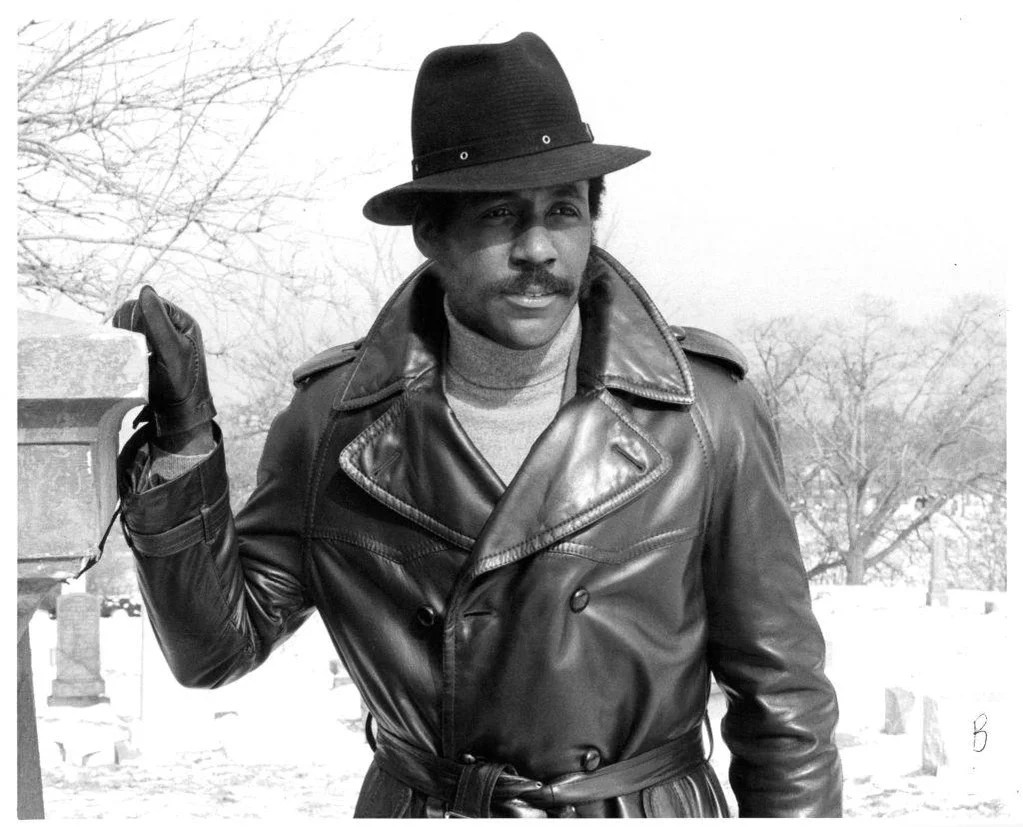
Having been born just after “Shaft” came out, I wouldn’t know that it was extraordinary or a pioneer film until I was an adult. The 1960s when the tumult of Civil Rights and social justice broadly were at their hilt in the U.S. and 1970s when “Shaft” was made, they were covered in my history books. By the time I was 10- or 12-years-old I could take as a given and unremarkable what those who lived as teenagers or adults through that era found was an explosive affirmation of the humanness, handsomeness and sexiness of Black-American identity.
As Roger Ebert observed of Roundtree as John Shaft, “where male leads such as” Sidney “Poitier and his contemporary Harry Belafonte assumed relatively tame relationships with their female counterparts, Roundtree’s Shaft leaned into the sexual revolution of the decade. Free of the restrictions of Poitier’s heyday, Roundtree swore on screen and, in the terminology of the era, “bedded” beautiful ladies.”
There is a common and frustrating reality when a film or show resonates overwhelmingly in U.S. culture. As multi-talented as Mr. Roundtree was, the indelible iconography which was his John Shaft made it just about impossible for any of his aspirations for different and distinct acting departures from Shaft to take root and blossom into something else that could gratify his artistry and for which he could be famous.
As Ebert ended his legacy essay about him, “Roundtree will be remembered for introducing filmgoers to a new breed of Black man, both dangerous and Don Juan. For Black audiences in particular, Shaft was the first in-your-face screen figure they could embrace for his uncompromised maleness.”
As potent and effective as Roundtree and filmmaker Gordon Parks were with “Shaft” 55-years-ago, work toward Blackness and Black men being seen as equal among white Americans remains. Nobody wants to hear it, but in the 2020s, even after Barack Obama was president twice, Blacks need to seek approval, sometimes explain themselves and sometimes be defined by white approval.
According to white Americans’ perceptions, and chosen, siloed digital media consumption, after Obama was made U.S. president, racism ended! (And successes, power and control for whites began to ever dwindle.) As the books “White Fragility,” by Robin DiAngelo and “The Stories Whiteness Tells Itself,” by David Mura, show, the borderlands between Black equality and bigotry are much subtler. The evidence of microaggressions is elusive.
Mr. Roundtree’s John Shaft made an indentation into U.S. culture and the influence of whiteness. If that indentation had been harder or deeper, then maybe embittered and “forgotten” middle-aged white men wouldn’t have chosen Don Trump as a counterweight to Mr. Obama? Arguably twice since Mr. Biden had been his Vice President.
I don’t want to lay 2020s racial divisions on the effect of “Shaft”. To look to any show or film to salve or to solve cultural divisions is foolish! For example, the now much-less-revered Bill Cosby conceded in interviews that, as vital as “I Spy” and “The Cosby Show” were to show typical white Americans that Blacks were whatever normal is, those were mere TV shows.
A vexing reality, North American viewers oft put undue weight on films, TV shows or other digital projects to solve generational Sisyphean struggles.


Leave a Reply