There are benefits to using manual typewriters, which we, in 2025, have lost touch with. National Typewriter Day is on June 23. Some writers or planners prefer the simplicity of working with fewer distractions and more task focus.
Going back to a mid-20th-Century writing tool by using manual typewriters can excite these who yearn for a pause from computer everything. Some are used to and think they like the bounty of digital distractions, which are part of the 2020s digital productivity experience.
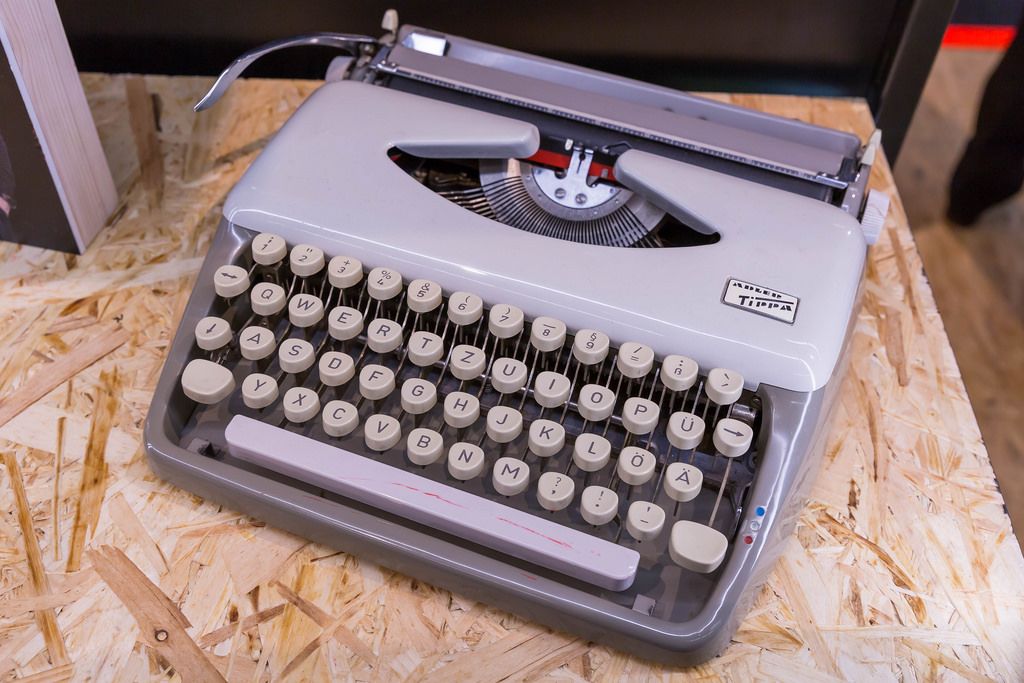
Almost 25% of adults say they’re somewhat likely to consider switching to “dumb” devices. (Sadly that is a minority.) This, in order to reduce device-originating stress and anxiety. The always-connected mentality is exciting to less people than some Gen-Z folks might expect. With digital keyboards, like on iPads or smartphones, as facts and pillars of life and culture, Gen-Z adults have scant-to-no exposure to manual typewriters or their old-school features.
Choosing a “dumb” device improves a user’s capacity to focus.
A generational sticking point: Who wants their novice fingers to become caught and stuck in the manual metal typewriter keys? But, even if that’s a fault or con, you can get used to that as with any interface. Are the manual keys less annoying to the user than the digital distractions, which we’re used to younger adults mistaking for features? The many social media notifications or M.S. Office pop-up “helpers” that appear while using M.S. Word or PowerPoint can annoy users. And if you know the software, then those “helpers” are interruptions instead of help. They are annoyances.
Some older adults are tired of the “help” from a dizzying array of digital apps pinging them. They are refreshed by the simplicity of a “dumb” flip phone. The simplicity is a feature.
 Will Wright: Award-Winning Independent Journalism, Exec Oratory and More...
Leave a comment