On Tuesday, December 4 Norman Lear died at the age of 101. Mr. Lear’s shows “All in the Family” and “Good Times” in particular, marked my childhood. As a quiet, introverted boy with shallow and shaky self-esteem, I clung to TV shows. I resorted to TV for a distraction from family drama and emotional neglect.
When someone creative dies, and that person’s works, which happened many years ago, affected you, to observe that can require extra energy and time to write about it.
Today, in my 50s, I work to develop myself into being a man who is not glued to TV for leisure. Reflecting back 30 years some years, TV served as a distraction from my emotionally neglectful and mistreated youth.
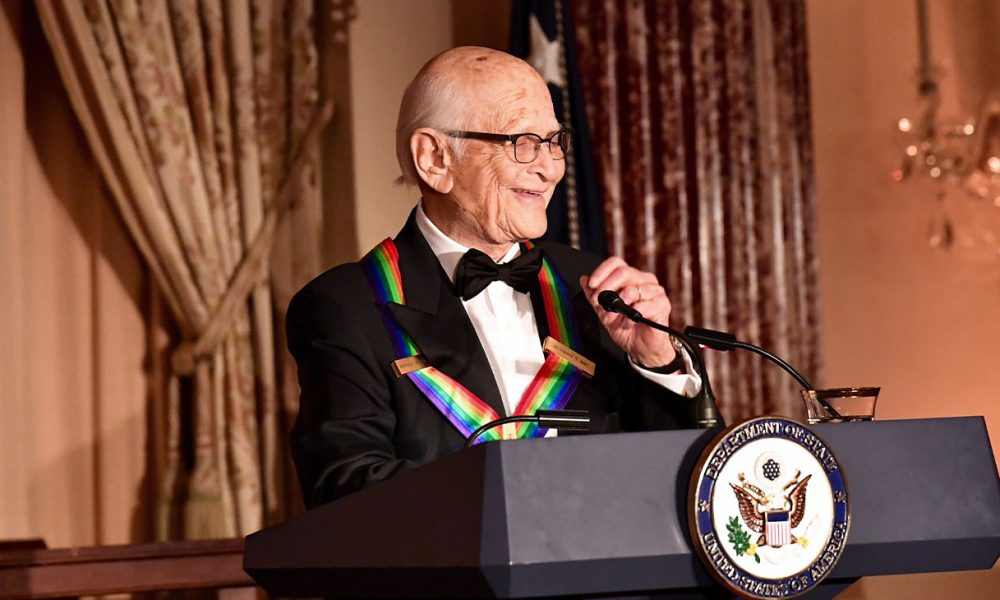
Decades after boyhood, well into manhood, and years of niche therapy later, I have no memories about how any of Mr. Lear’s show affected me. “Good Times,” in particular probably affected my subconscious.
Lear’s shows washed over me. I needed a window into a different reality, and something to stand in for a social life, which I didn’t have. After drama with a single parent, I understand family in a peculiar way; I had a mom who was neglectful and, unknown to me until adulthood, mentally ill. My dad, an old-school Black man, was loving in a very aloof way. Having a whole nother family, he was seldom around.
The tough-love example of James Evans, the patriarch from “Good Times,” was a rare image of Blackness and Black manhood. As memorable as Archie Bunker’s exasperated old white man, who couldn’t stomach changes was, in my world Carroll O’Connor’s Archie didn’t compete with the example of James Evans.
For example, the scenes where James pushes a bougie Black bank manager into paying his son, J.J., as he had promised for the mural he painted inside the bank, is potent, moving and indelible. As is the one in which James introduces spanking to his youngest son, Michael’s, maybe-former bully, was just as memorable. Jame’s righteous anger in defense of self-discipline and initiative made statements.
If I struggle to remember similar portrayals of Blackness or Black manhood during 1970s I think they were guest roles, and stereotypical.
I don’t remember thinking about race consciously in the era when Lear’s shows aired; I didn’t think that way. In my 20s and 30s I faced others’ looks and questions about “race” being biracial, my racially fluid look, and pragmatism. James exemplified pride, and anger at a system.
I’m sure that the righteous anger was a facet of Blackness, which registered with me. But, decades after “Good Times” aired originally, being older and seeing noteworthy examples of Black men, that anger draws me less. James Evans’ anger was righteous. Decades later, coincident with Mr. Lear’s death, viewers see how he aspired to offer viewers ”radical” stories circa 1970s and 1980s.
 Will Wright: Award-Winning Independent Journalism, Exec Oratory and More...
Leave a comment